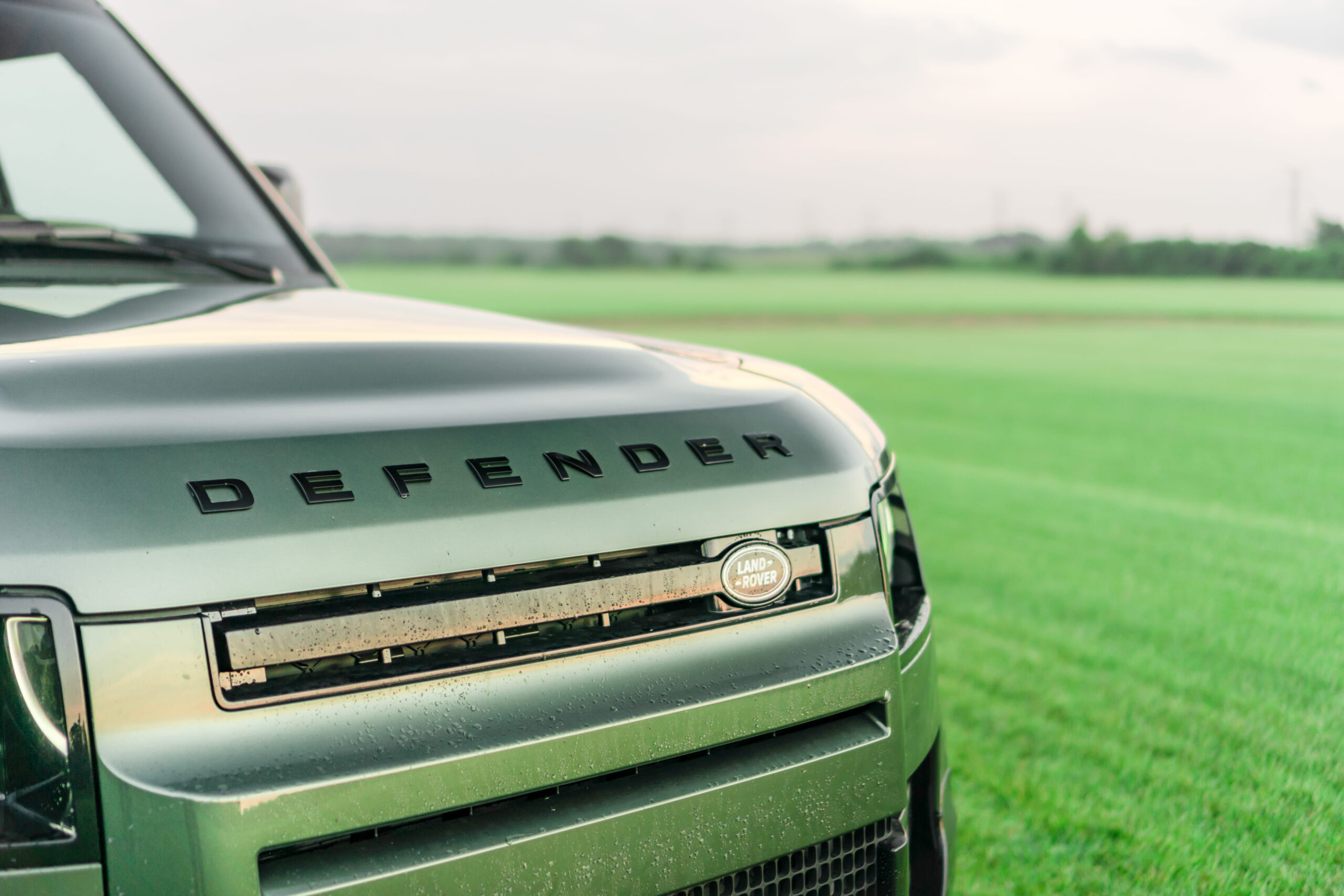
Your Land Rover adjusts its own ride height dozens of times during a single drive across the GTA. Pulling into a parking garage in Vaughan, the vehicle lowers for clearance. Hitting a rough patch on the 401, it firms up. Turning onto a snow-packed side street in Woodbridge after a February storm, it rises. All of this happens through the land rover air suspension system, and keeping that system healthy is one of the most important things you can do as an owner.
As of 2026, air suspension remains a defining feature across the Land Rover lineup. Range Rover, Range Rover Sport, Defender, Discovery, and Range Rover Velar all offer Electronic Air Suspension on select trims. The system delivers remarkable capability and refinement, but it relies on components that need attention, particularly through Ontario’s punishing seasons.
This guide explains how the system works, what maintenance it requires, and how to recognize early warning signs before small issues become larger ones.
How Land Rover Air Suspension Works
Traditional suspension uses metal coil springs that compress and rebound passively. Land Rover air suspension replaces those coil springs with air-filled bladders, air springs, connected to a compressor and a network of sensors.
Here is the basic sequence. Sensors at each corner continuously measure ride height and road input. A control module processes that data and directs the compressor to add or release air from individual springs. The result is a ride that adapts in real time.
Land Rover pairs this hardware with software systems like Adaptive Dynamics and Terrain Response 2, which coordinate suspension behaviour with throttle, braking, and traction control. Select a terrain mode and the suspension adjusts height, stiffness, and damping to match the surface. On smooth highway stretches, the system lowers the vehicle for aerodynamic efficiency and a more refined ride. On rough urban roads, the kinds of potholes you find along the DVP, it absorbs impacts that would transfer harshly through a conventional setup.
Height Modes and When They Matter
Land Rover air suspension typically offers several ride heights:
- Access mode lowers the vehicle for easier entry, exit, and cargo loading
- Standard ride height for everyday driving
- Off-road mode raises ground clearance for trails, deep snow, or uneven terrain
- High-speed mode lowers the vehicle automatically above certain speeds for stability
Even owners who never leave paved roads use access mode daily. It makes a real difference when loading groceries or helping children and older passengers get in and out.
Why Canadian Conditions Demand Extra Attention
Ontario’s climate is hard on every vehicle system. Land rover air suspension components face specific stresses that owners in milder regions simply don’t encounter.
Temperature Extremes
GTA winters regularly dip below minus twenty. Rubber air spring bladders stiffen in extreme cold, seals contract, and air lines become more vulnerable to micro-cracks. Then summer arrives and temperatures swing forty degrees in the other direction. That repeated thermal cycling, year after year, accelerates material fatigue.
Road Salt and Corrosion
Municipal road salt is essential for winter safety but corrosive to exposed metal fittings and connectors. Air line junctions, compressor housings, and sensor wiring sit in the undercarriage where salt spray accumulates. Without regular cleaning and inspection, corrosion can compromise connections over time.
Potholes and Freeze-Thaw Damage
The freeze-thaw cycle that creates potholes on GTA roads also creates abrupt, jarring impacts. Air suspension handles these hits well, but repeated severe impacts stress valve blocks and mounting points. A system that feels perfectly fine in September may develop a slow leak by March after five months of rough winter roads.
Maintenance That Protects Your Air Suspension
Air suspension requires proactive care. Staying current with authorized maintenance is the single most effective way to extend the life of the system. As of 2026, many Land Rover owners in Woodbridge and across the GTA are building seasonal checks into their regular service routine, and the results show in longer component life and fewer unexpected repairs.
Key maintenance areas include:
- Visual inspection of air springs for cracking, abrasion, or moisture intrusion
- Checking air lines and fittings for corrosion or loosening
- Verifying compressor operation and listening for unusual run times
- Cleaning undercarriage components after winter to remove salt buildup
- Software updates that refine how the control module manages the system
The service team at Coventry North Land Rover can walk you through the recommended schedule for your specific model and model year. For broader context on how Land Rover approaches maintenance intervals, the Land Rover Service Maintenance Standards and Schedules post covers the framework in detail.
Seasonal Timing Matters in the GTA
For owners in Woodbridge, Vaughan, Toronto, and the surrounding area, two windows in the calendar deserve particular attention.
Late autumn, before temperatures drop consistently below freezing, is the right time to have the system inspected. Catching a worn seal or stressed air line before winter means the system enters the hardest months in strong condition. Spring is equally important. After months of salt, cold, and rough roads, a post-winter inspection identifies any damage the season left behind.
Warning Signs That Something Needs Attention
Land rover air suspension systems communicate problems clearly if you know what to watch for. Early recognition keeps small issues manageable.
- The vehicle sits noticeably lower on one corner after being parked overnight
- The compressor runs for extended periods, cycling on and off repeatedly
- A dashboard warning message references suspension height or the air suspension system
- Ride quality changes suddenly, feeling harsher or bouncier than usual
- The vehicle takes longer than normal to reach the selected ride height
Any one of these warrants a visit to an authorized service centre. Diagnostic equipment reads the specific fault codes that pinpoint exactly where in the system the problem originates. For related winter suspension considerations, the Land Rover Defender 130 suspension for snowy roads article offers additional context on cold-weather performance.
Why Authorized Service Matters for Air Suspension
Air suspension systems are sophisticated. The interaction between hardware, sensors, and software means diagnosis and repair require Land Rover-specific tooling and training. Independent repair shops may not have the diagnostic software to read suspension fault codes accurately, and aftermarket parts may not meet the tolerance specifications the system demands.
Authorized service centres use genuine Land Rover parts engineered for the system. Technicians receive ongoing training on current model-year systems. Diagnostic equipment communicates directly with the vehicle’s control modules.
Coventry North Land Rover, serving Woodbridge, Vaughan, Toronto, and the Greater Toronto Area, provides this level of specialized service. Staff assist customers in English, Cantonese, Mandarin, Gujarati, Spanish, Punjabi, and Farsi, reflecting the diverse community across the GTA.
Air Suspension Across the 2026 Land Rover Lineup
For current owners or buyers researching models, here is a general overview as of the 2026 model year.
- Range Rover features Electronic Air Suspension across the lineup
- Range Rover Sport offers air suspension on multiple trims
- Defender offers air suspension as available equipment depending on configuration
- Discovery includes air suspension availability on select trims
- Range Rover Velar offers air suspension on certain configurations
Specific availability varies by trim level and optional packages. Your Coventry North Land Rover advisor can confirm availability for any model you are considering, or you can see the current Land Rover inventory to see what is available in Woodbridge today.
Frequently Asked Questions About Land Rover Air Suspension Service
How often should I have my Land Rover air suspension inspected?
Follow the service intervals outlined in your owner’s manual, as they vary by model and model year. Many GTA owners also schedule inspections in late autumn before winter and again in spring after the salt and cold season ends. These seasonal checks help catch wear from temperature cycling, road salt corrosion, and pothole damage before issues progress. Your service advisor at Coventry North Land Rover can recommend a schedule based on your driving patterns and vehicle configuration.
What are the first signs of an air suspension problem?
The most common early indicator is the vehicle sitting unevenly after being parked for several hours, particularly noticeable on one corner. You may also hear the compressor running longer than usual or cycling repeatedly. Dashboard warnings related to suspension height are another clear signal. If ride quality changes noticeably, feeling suddenly harsher or less controlled, have the system checked promptly rather than waiting for the next scheduled service.
Does Ontario’s winter affect land rover air suspension differently than other climates?
Yes. Ontario’s combination of extreme cold, road salt, and frequent freeze-thaw cycles creates specific stresses. Cold temperatures stiffen rubber components and contract seals. Salt accelerates corrosion on exposed metal fittings in the undercarriage. Potholes from freeze-thaw cycles subject the system to repeated hard impacts. These factors together mean Ontario owners benefit from closer attention to air suspension condition than owners in milder regions.
Why use an authorized Land Rover service centre instead of an independent shop?
Air suspension diagnosis requires Land Rover-specific software to read and interpret suspension fault codes accurately. Authorized centres use genuine parts engineered to the system’s precise tolerances and employ technicians trained on current model-year technology. An independent shop may lack the diagnostic tools to distinguish between a sensor fault, a compressor issue, and a leak, leading to misdiagnosis. Genuine parts also maintain the system’s calibration and performance specifications.
Can I wash under my Land Rover to remove road salt myself?
Regular undercarriage washing during winter months is good practice and something you can do at a self-serve car wash with an undercarriage rinse option. Focus on removing salt buildup from wheel wells, suspension components, and undercarriage fittings. That said, a thorough inspection of air lines, connectors, and spring condition requires a lift and trained eyes. Pair your own regular rinsing with professional inspections to keep everything in strong condition through the season.
Does air suspension need different care when it is optional versus standard equipment?
The air suspension hardware functions the same way whether it came standard on your trim or was added as an upgrade. Maintenance requirements, inspection intervals, and component care are identical. The key factor is ensuring your service records reflect that your vehicle has air suspension so technicians check the correct components during routine visits. Confirm this with your service advisor, especially if you purchased a pre-owned Land Rover.
Does Land Rover air suspension affect off-road capability on models like the Defender?
Air suspension significantly enhances off-road capability by allowing the vehicle to raise ride height on demand, increasing ground clearance for trails, deep snow, and uneven terrain. On the Defender in particular, this works alongside Terrain Response 2 to adapt damping and height simultaneously. For owners who do take their vehicles off paved surfaces, maintaining the air suspension in strong condition is directly linked to the all-terrain performance Land Rover is known for.
Disclaimer: Content contained in this post is for informational purposes only and may include features and options from US or international models. Please contact the dealership for more information or to confirm vehicle, feature availability.